I already wrote a shop guide for Akihabara’s used camera stores. That article is a list: what each shop is like, what they sell, how foreigner-friendly they are.
This article is different. It answers a different question: how do you actually spend a whole day there? Which shop to start with, where to rest your feet, where to eat, and where to have a beer at the end.
Here is why I think this matters. On August 1, 2026, I walked this exact route myself. In the camera shops, foreign customers were everywhere — in some stores they were 20 to 50 percent of the people inside. But when I sat down in a coffee shop to rest, there was not a single foreign customer. The foreign visitors I did see eating were all gathered at a foreign-run burger place and a sweets shop. So it looks like this: people come to Akihabara for the cameras, but they have not found the places to rest in between. This itinerary tries to fill that gap.
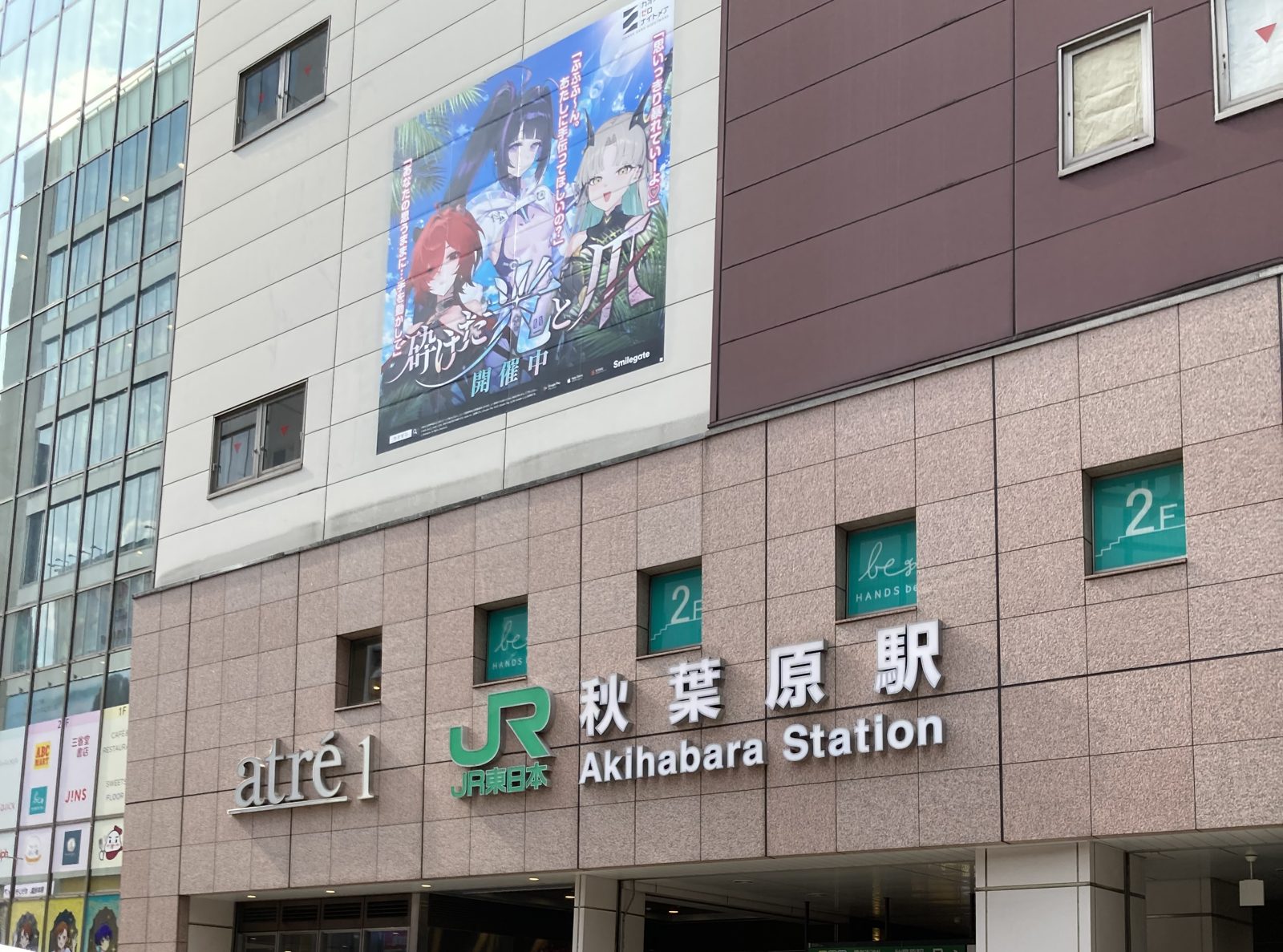
One note before we start: it was 37°C (99°F) that day, with a heatstroke warning. The breaks in this plan are not decoration. They are part of the route.
- The Day at a Glance
- Morning: Start at 2nd BASE (opens 11:00)
- Midday: Kitamura’s Used Camera Center
- Lunch Break: Renoir, or Pronto for a Real Meal
- Afternoon: Tokyo CAMERA and the Junk Garage (the Highlight)
- Late Afternoon: Lemon Camera, then Nisshin Camera
- The Last Stop: A Beer at Kanekoya
- Practical Notes
- Timeline Cheat Sheet
The Day at a Glance
- 11:00 — 2nd BASE (about 1 hour)
- 12:00 — Walk to Kitamura, browse (about 45 min)
- 13:00 — Lunch break: Renoir coffee shop, or Pronto if you want a real meal
- 14:00 — Tokyo CAMERA + the Junk Garage (about 1 hour — the highlight)
- 15:30 — Lemon Camera Akihabara (about 30 min)
- 16:30 — Nisshin Camera (about 30 min)
- 17:30 — A beer at Kanekoya, an old-style Japanese pub
Total walking is not bad — the shops sit in two clusters, one near the Electric Town exit and one near the Showa-dori exit, on opposite sides of the station. You cross the station once, around lunch.
Morning: Start at 2nd BASE (opens 11:00)
2nd BASE is the shop I would recommend first to any visitor, so start your day there. It sits inside SEEKBASE, a row of shops built under the train tracks a few minutes from the station. The store is clean, the displays are easy to browse, and many cameras are out where you can pick them up and try them. When I visited, about half the customers were foreign, and one staff member could handle English. Tax-free shopping and cards are fine here.
They also carry a wide range of film, with a sample booklet showing how each film stock renders. I watched a foreign customer asking staff about the condition of her own camera, and another who came in just to buy film. If you only have time for one shop in Akihabara, this is the one.
Give it a relaxed hour. The same floor has figure shops, record shops, and retro car goods, so even a non-camera travel partner has something to look at.
Midday: Kitamura’s Used Camera Center
From 2nd BASE, walk over toward the Showa-dori side for Camera no Kitamura’s used buying-and-selling center. Finding it is the first small challenge: it is on the 4th floor, and the corridor to the elevator is easy to walk past. Look for the TAX FREE sign — that is your landmark.
This shop is mostly junk-grade gear: plenty of fungus and haze, priced accordingly. Two things I liked. First, colored stickers show which month each item arrived, so you can tell what is fresh stock. Second, they post an English guide explaining how to read the price tags — where the price is, where the condition is written. The catch: the condition notes themselves are still in Japanese only. If you want to decode those, my guide to Japanese camera condition grades covers exactly this situation.
When I was there, about half the customers were foreign, browsing Olympus bodies and Nikon COOLPIX compacts with their phones out, checking as they went. Tax-free and cards OK.
Lunch Break: Renoir, or Pronto for a Real Meal
Here is the gap I mentioned. I took my break at Renoir, a chain of quiet, old-style Japanese coffee shops. The Electric Town branch is in a basement — you walk down the stairs from the street. No English signage, and no foreign customers while I was there. Which is a shame, because this is exactly the kind of calm, air-conditioned room you need after two camera shops in the summer heat.
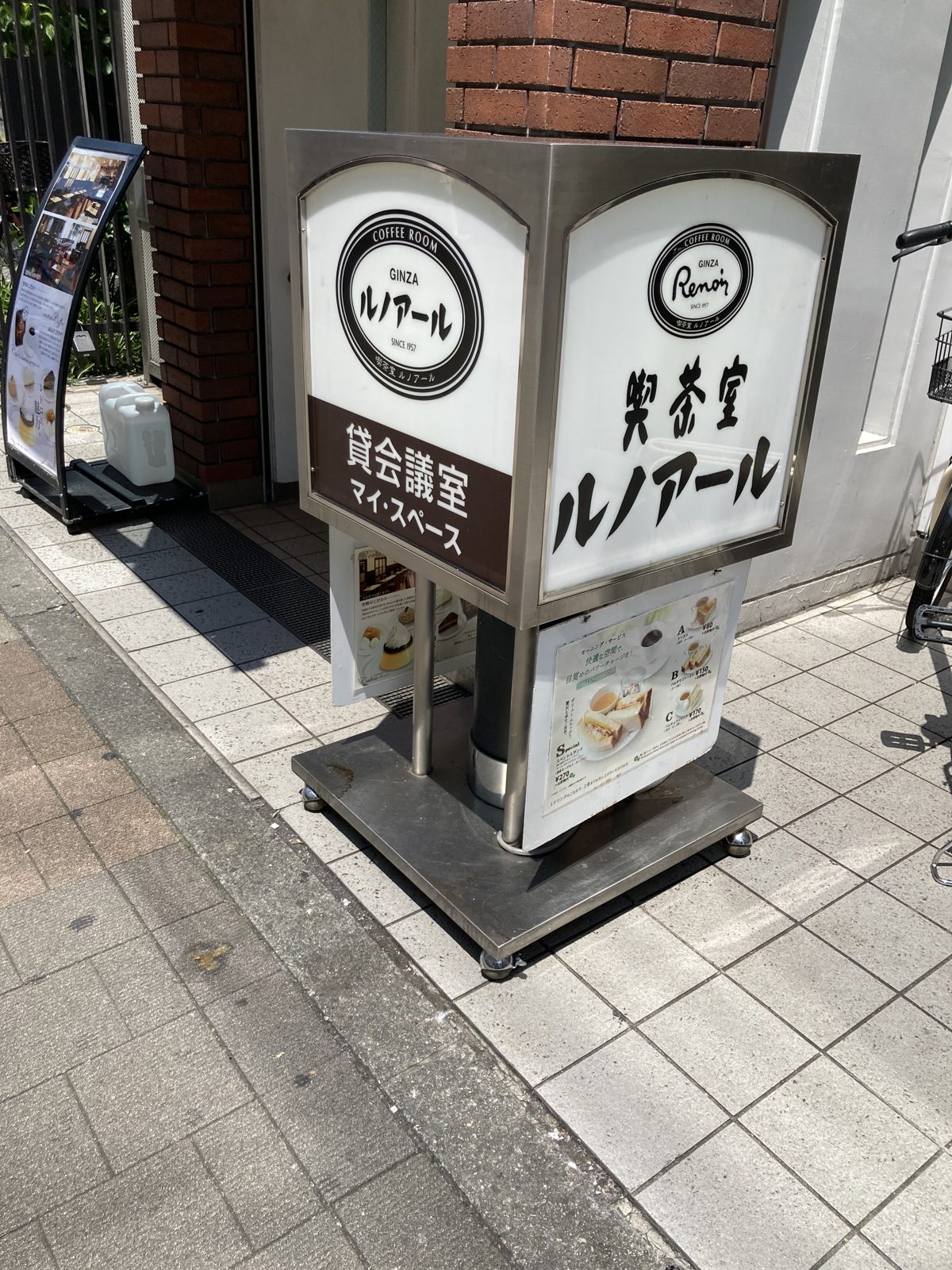
Two things worth knowing. The toilet is just outside the shop entrance and locked with a keypad — the code is posted inside the shop, so check it before you go. And the menu is a small piece of Japan I enjoy: it is a coffee shop, but it also lists highballs and whisky with water. Food is light only — sandwiches, cake, pudding, focaccia.
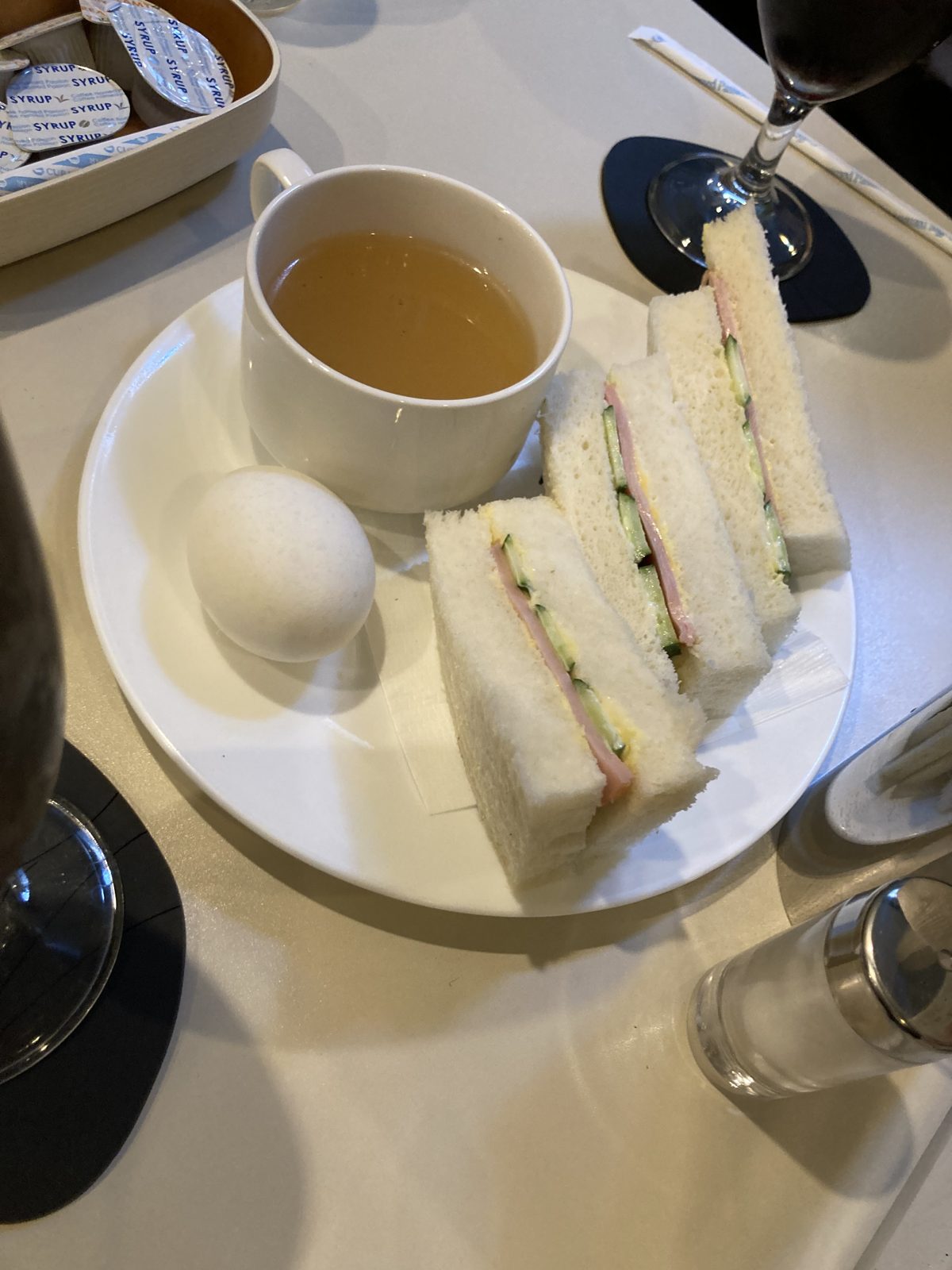
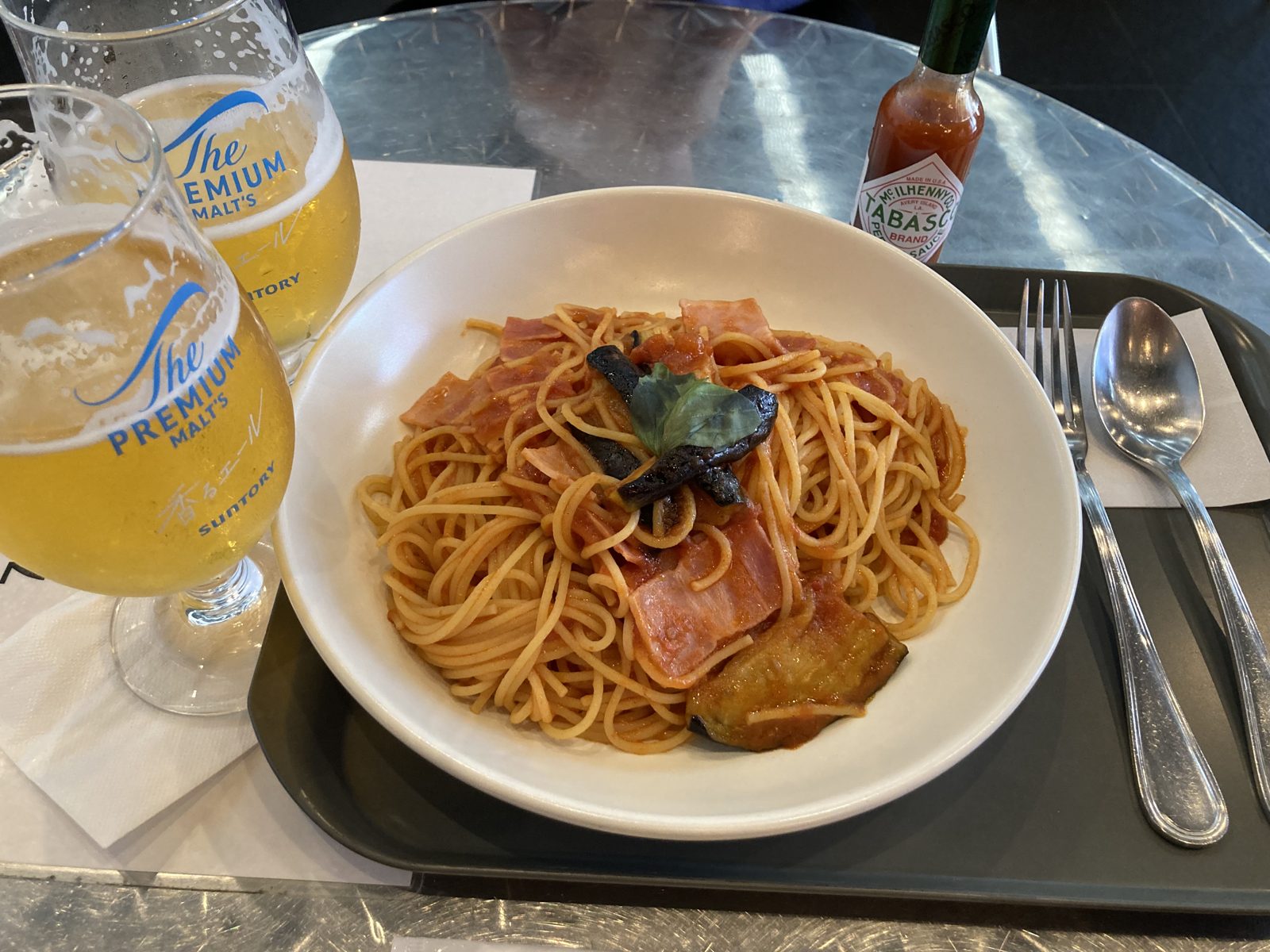
That light menu is why I moved on for actual lunch. I went to Pronto, a café-bar chain, and had pasta and a glass of beer. Cards accepted. Smoking is in a separate smoking room only, so you cannot smoke at your table with your drink. No foreign customers here either, but nothing about either place is hard to use — you can point at the menu photos and get by.
I also walked past Ginza Ranzu, an old-school coffee house near the afternoon shops. I was too full to go in, so I can only tell you the outside: good atmosphere, but with a regulars-only sort of air. I will report back another time.
Afternoon: Tokyo CAMERA and the Junk Garage (the Highlight)
If this day has a main event, it is here. Tokyo CAMERA is a small shop specializing in film cameras and old lenses — look for the yellow awning with the camera logo. Next to the main shop is what I can only describe as a junk garage: a warehouse-like space behind a vinyl curtain, with no staff inside. Just gear, price stickers, and a security camera. The staff are next door in the main shop.
There are no condition labels at all. Prices are simply stuck on the equipment — lenses from around 3,000 yen. And then there is the sign, in English too: you are free to check condition, mount lenses, and put batteries in. Try that in most camera stores anywhere in the world.
Be clear about what this is: junk-grade stock, mostly in rough shape. That is the deal. You are the inspector. If you want a checklist, the routine in my article on what I check before listing a camera — aperture blades, fungus, haze, focus feel — is exactly what you can practice here, with the shop’s blessing.
One detail stuck with me: a foreigner who looked like a local resident wandered in and browsed casually, the way you would check a neighborhood bookshop. This place is not a tourist attraction. It is just part of how used camera culture works here.
Late Afternoon: Lemon Camera, then Nisshin Camera
Lemon Camera’s Akihabara branch is the sister shop of the Shinjuku store I covered in my Nakano and Shinjuku guide. It is smaller than Shinjuku, and the entrance takes the same small dose of courage — it is on the 3rd floor of an office building. Inside, the price cards have English translations of the condition ranks, which helps a lot. Junk items are limited to three per person. One older gentleman was running the shop when I visited; customers were mostly looking at compact cameras and film.
Nisshin Camera is a short walk away: narrow, showcase-style, two staff. Fewer junk items, more camera accessories and small goods. There is a bar sign outside — the shop reportedly turns into a bar at night, though standing in front of it, I could not picture it. No foreign customers when I visited. A quick stop, worth it if you are already in the area.
The Last Stop: A Beer at Kanekoya
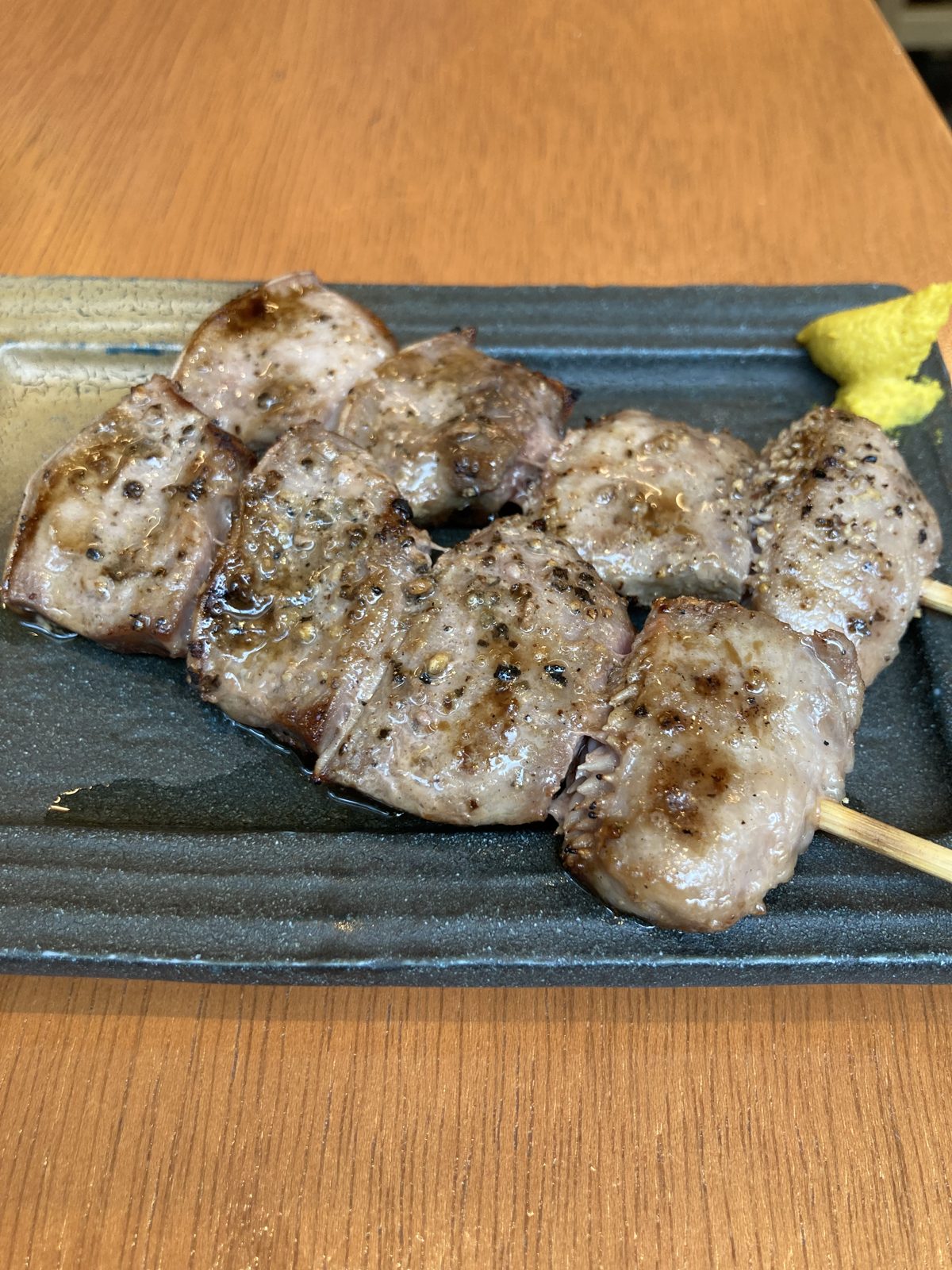
To end the day I went to Kanekoya, a taishu sakaba — an old-style, cheap-and-cheerful Japanese pub. On Saturdays it runs straight through from 2 p.m., so you do not have to wait for evening.
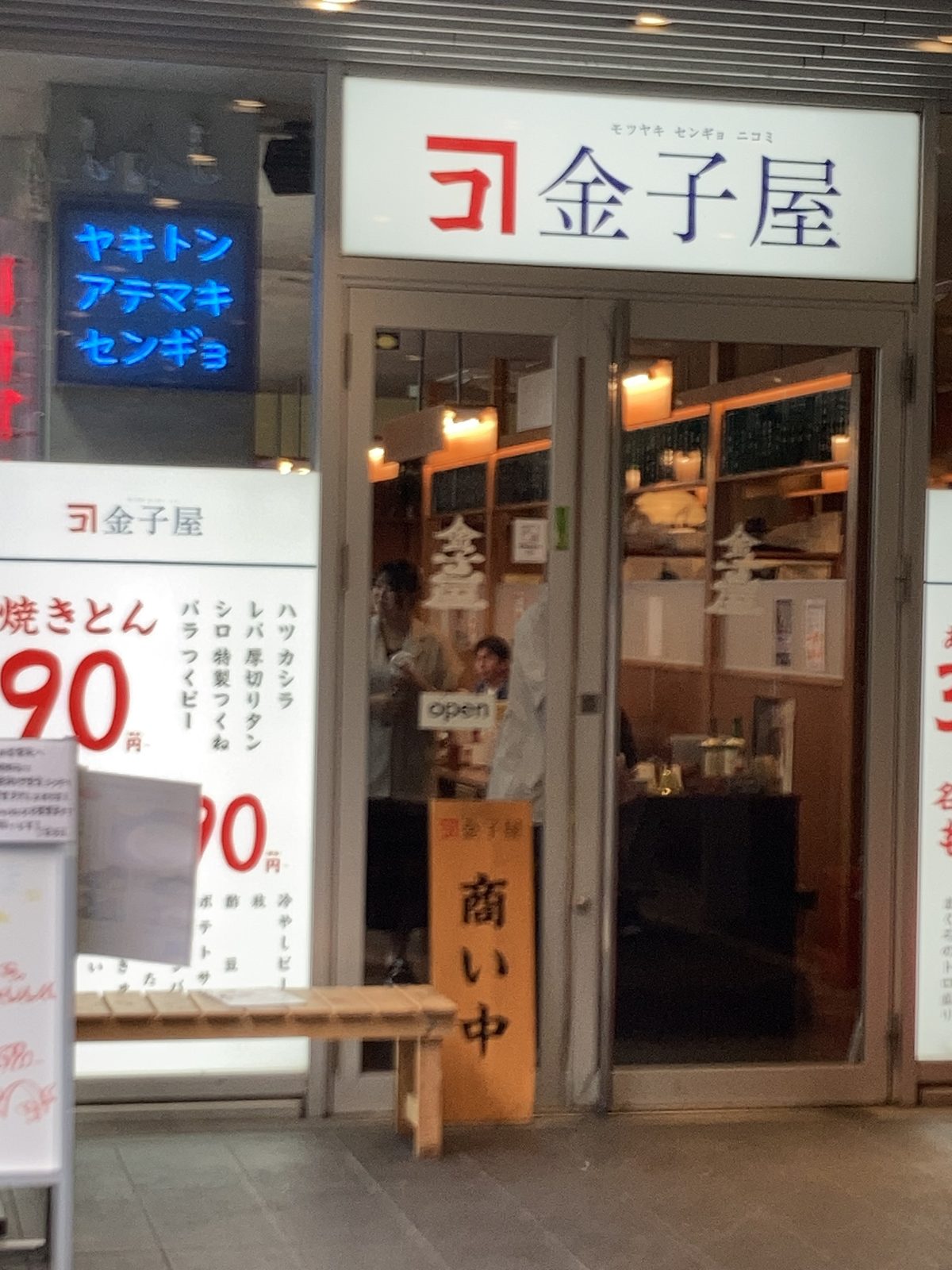
What to expect: there is no English menu, and the atmosphere is fully local. Ordering takes some pointing and goodwill. But it is not a closed door — two groups of foreign customers were there the evening I went, managing fine. If you have survived a day of Japanese-only condition labels, you can survive a Japanese-only drinks menu. This is the reward at the end of the route.
Practical Notes
- Summer heat is serious. My day was 37°C with an official heatstroke alert. Building the coffee breaks into the plan from the start was the right call, not a luxury. Carry water.
- Check opening hours before you go. Hours change, and the smaller shops can close irregularly. Always confirm on each shop’s official site or social media the day before.
- Carry some cash. The bigger shops take cards, but junk corners, small shops, and old pubs are safer with cash in hand.
- You do not need all of it. This route has five camera stops. If your feet or the weather say no, cut freely. My suggestion for a short version: 2nd BASE plus Tokyo CAMERA’s junk garage. Those two show you the widest range of what Akihabara does.
One practical note about where to stay. Everything in this guide is within about a ten-minute walk of Akihabara Station, and most of the shops open at 11:00. If you stay in Akihabara, you can be at the first door when it opens, instead of spending your morning on a train.
I have not stayed at any of these hotels myself. I live here and go home at night. But you can see what is available in the area here.
This page contains an affiliate link. If you book through it, I may receive a small commission at no extra cost to you.
Timeline Cheat Sheet
- 11:00 — 2nd BASE (clean, English-capable, tax-free)
- 12:00 — Kitamura Used Center (junk-grade, 4F, look for the TAX FREE sign)
- 13:00 — Break: Renoir (light food) or Pronto (proper lunch)
- 14:00 — Tokyo CAMERA + Junk Garage (self-service inspection heaven)
- 15:30 — Lemon Camera Akihabara (English condition ranks)
- 16:30 — Nisshin Camera (quick stop)
- 17:30 — Kanekoya (beer, no English menu, worth it)
That was my August 1st. The cameras are the point of the day — but a day is more than shops, and now you know where to sit down.
コメント