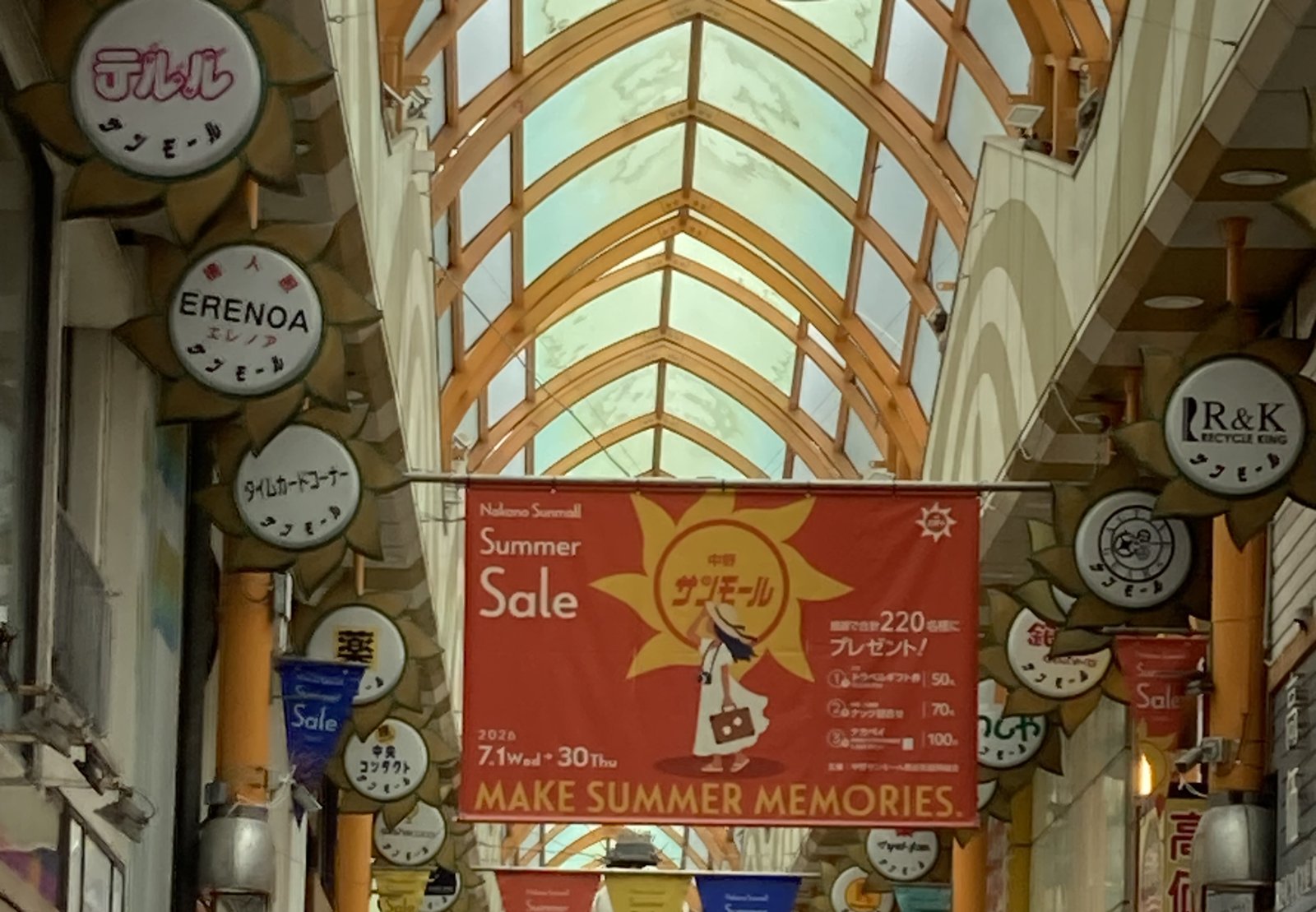
If you love cameras and you are coming to Tokyo, this guide is for you. I actually walked this route on July 11, 2026 — Nakano first, then Shinjuku. Everything below is what I saw with my own eyes on that day. No guessing, no copying from other blogs.
I live in Japan and I ship Japanese cameras overseas every day for work. So I know the shops from the “inside” — but this was my first time walking them as a visitor would. Here is my honest report.
Getting there
Both areas are easy to reach.
- Nakano: Take the JR Chuo Line from Shinjuku Station. It is only one or two stops. Fujiya Camera is about 5 minutes on foot from Nakano Station’s North Exit.
- Shinjuku: Map Camera and Lemon Company are both about 5 minutes on foot from Shinjuku Station (South or West Exit). You will not get lost — the streets are simple.
You can visit all three shops in half a day. I did Nakano in the morning and Shinjuku after that. (Honestly, I was tired at the end — bring water!)
One practical note before you go: opening hours change, so please check each shop’s official website before your visit.
Fujiya Camera (Nakano)
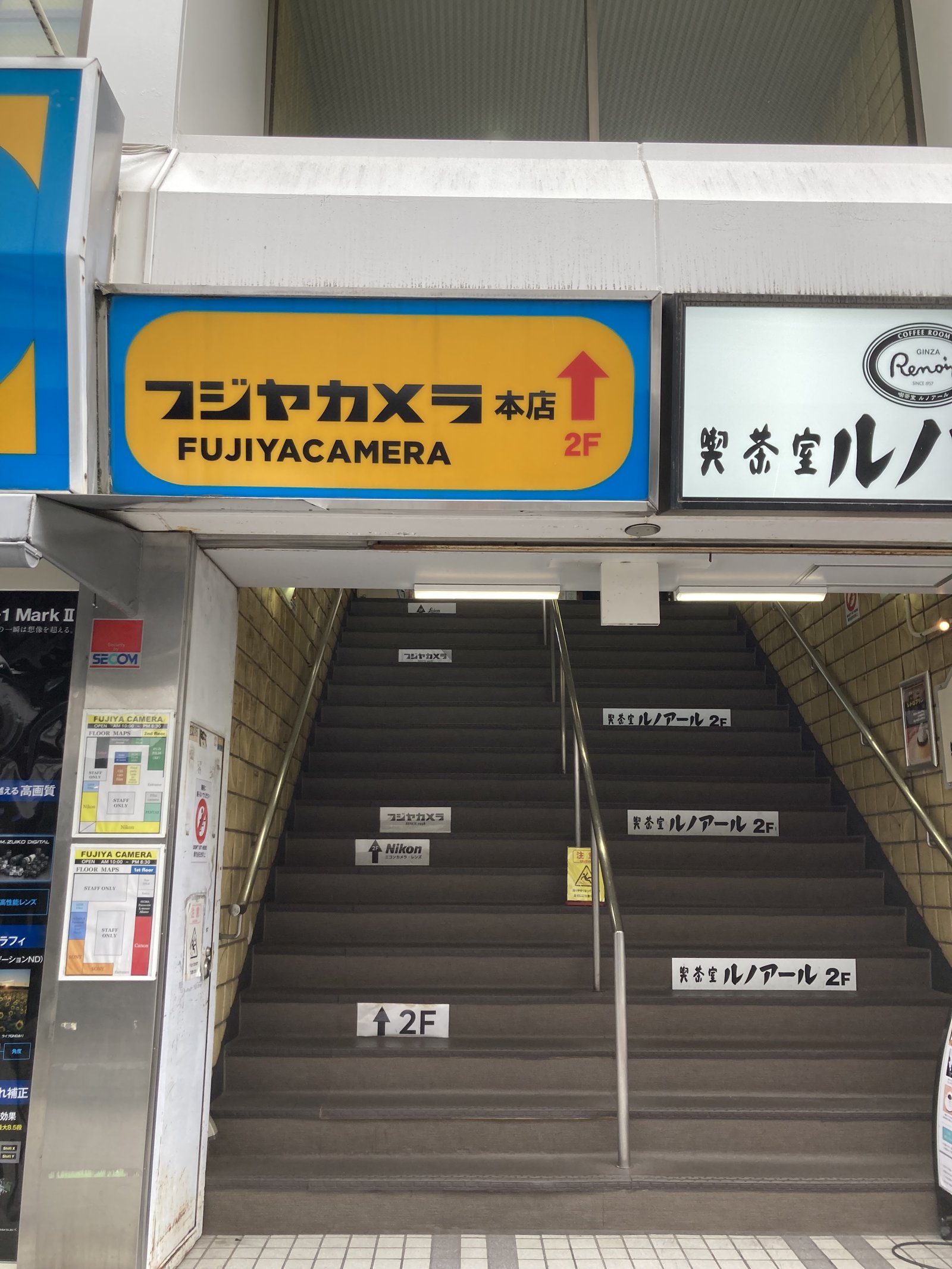
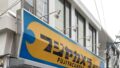
Fujiya is a famous used-camera shop, about 5 minutes from Nakano Station’s North Exit. The walk is easy, but here is my first tip: the shop has sales floors on BOTH the 1st and the 2nd floor, with separate entrances. It is easy to see the 1st floor and think that is everything — I did exactly that. The 1st floor is mostly Canon; Nikon, Leica and others are on the 2nd floor, up the stairs. Check both floors before you leave.
Inside, almost everything is in glass showcases. The shelves are packed with gear. If you want to hold an item, you ask a staff member — that is the normal style here, so don’t be shy.
A few honest notes from my visit:
- Inside the shop I did not see English signs, but at the stairs to the 2nd floor there are English floor maps with opening hours — they show which brands are on which floor. The junk annex also has an English notice on its door.
- I did not see a Tax-Free sign either. However, I saw a foreign customer showing a passport at the register — so it looks like they do handle tax-free purchases. If it matters to you, ask at the register.
- Credit cards: there is a card sign, but I overheard staff telling someone on the phone that a card could not be used and to order from the website instead. So some card brands may not work. Having cash as a backup is a good idea.
The customers were mostly Japanese men — serious hobbyists, some deep in conversation with the staff. It has a real “local camera culture” feeling.
Good for: people who want the classic Nakano used-camera experience and don’t mind asking staff to see items.
Keep in mind: signs are mostly in Japanese (the English floor maps at the stairs help), remember to check both floors (1F and 2F), and cards may not always work.
Fujiya’s junk annex
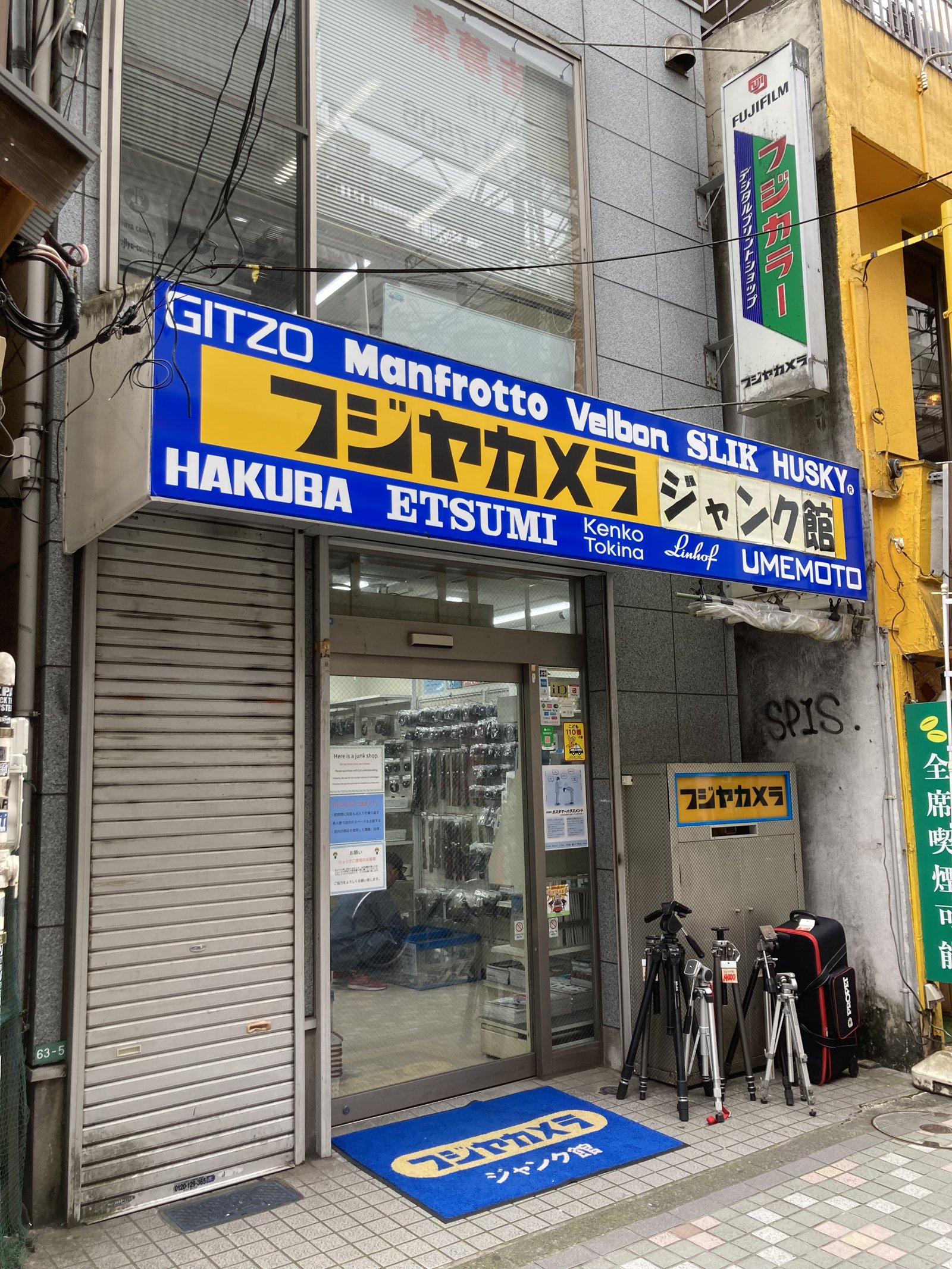
Fujiya also has a separate small building for “junk” items (untested or as-is gear). It is narrow, and when it gets crowded it is hard to see the shelves. One practical note: you cannot browse while holding a large bag — there is a bag rack in the middle of the shop, so leave your backpack there while you look. The glass door has an English notice explaining that items are sold as-is (“Please purchase with full understanding”) — a nice sign that foreign visitors are expected here.
Map Camera (Shinjuku)
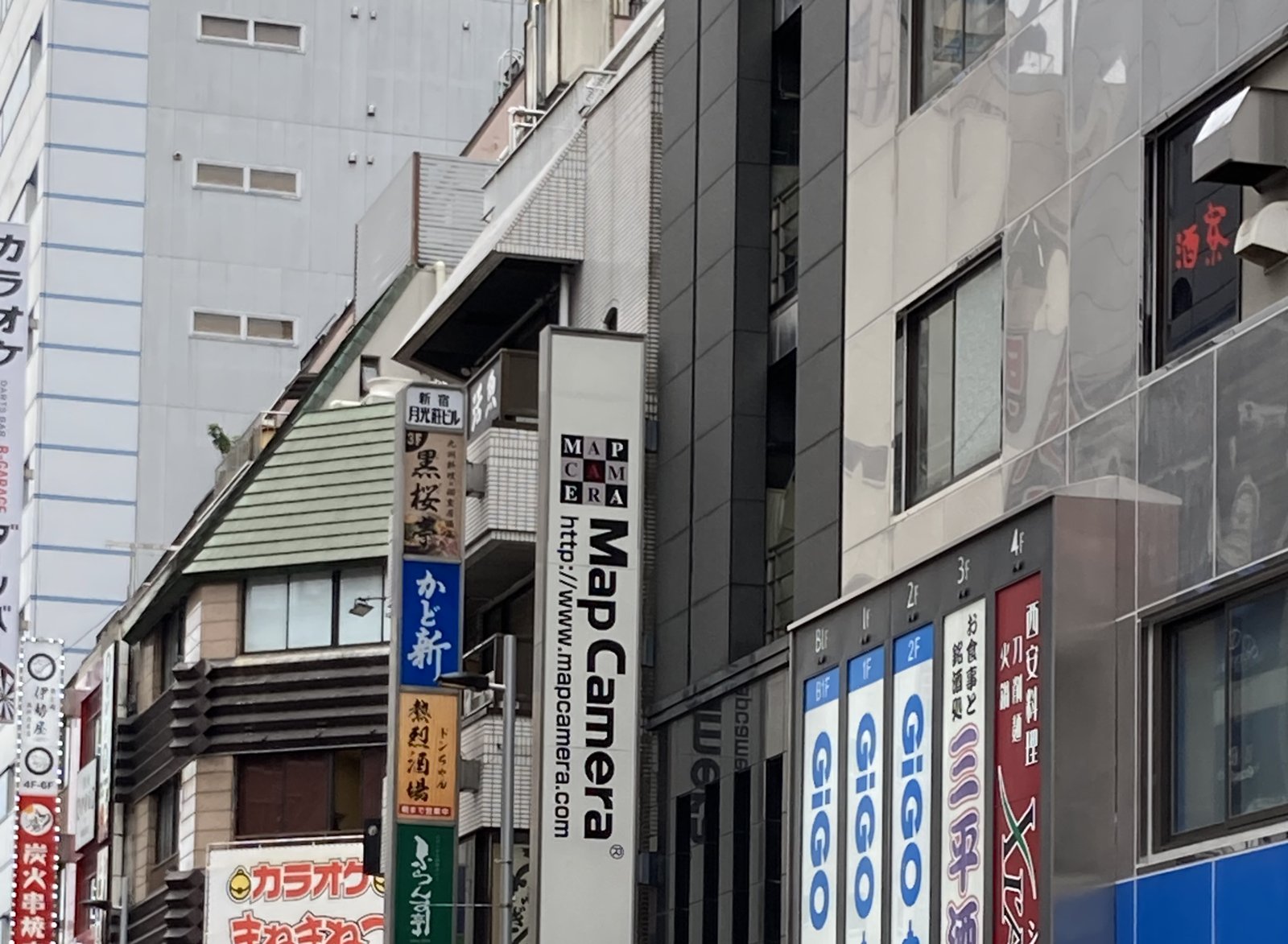
Map Camera is about 5 minutes from Shinjuku Station’s South or West Exit, and it is easy to find. This is a big, polished shop with five floors (1F to 5F), and each floor is organized by brand — very easy to navigate. The 5th floor is the buy-back counter, where the shop purchases used gear. The whole place feels high-end, and everything is displayed in showcases.
The selection felt digital-centered to me: Sony α7, Nikon Z, Fujifilm X-T, Canon EOS, LUMIX and so on. And yes — they had a Leica displayed at around the 3-million-yen class. My honest reaction: “You could buy a car in Japan for that.”
- English signs: yes.
- Tax-Free sign: yes.
Good for: visitors who want a comfortable, well-organized shop with English and Tax-Free signs, especially for digital gear.
Keep in mind: everything is behind glass, and the atmosphere is more “luxury store” than treasure hunt. Price tags are in Japanese.
Lemon Company (Shinjuku)
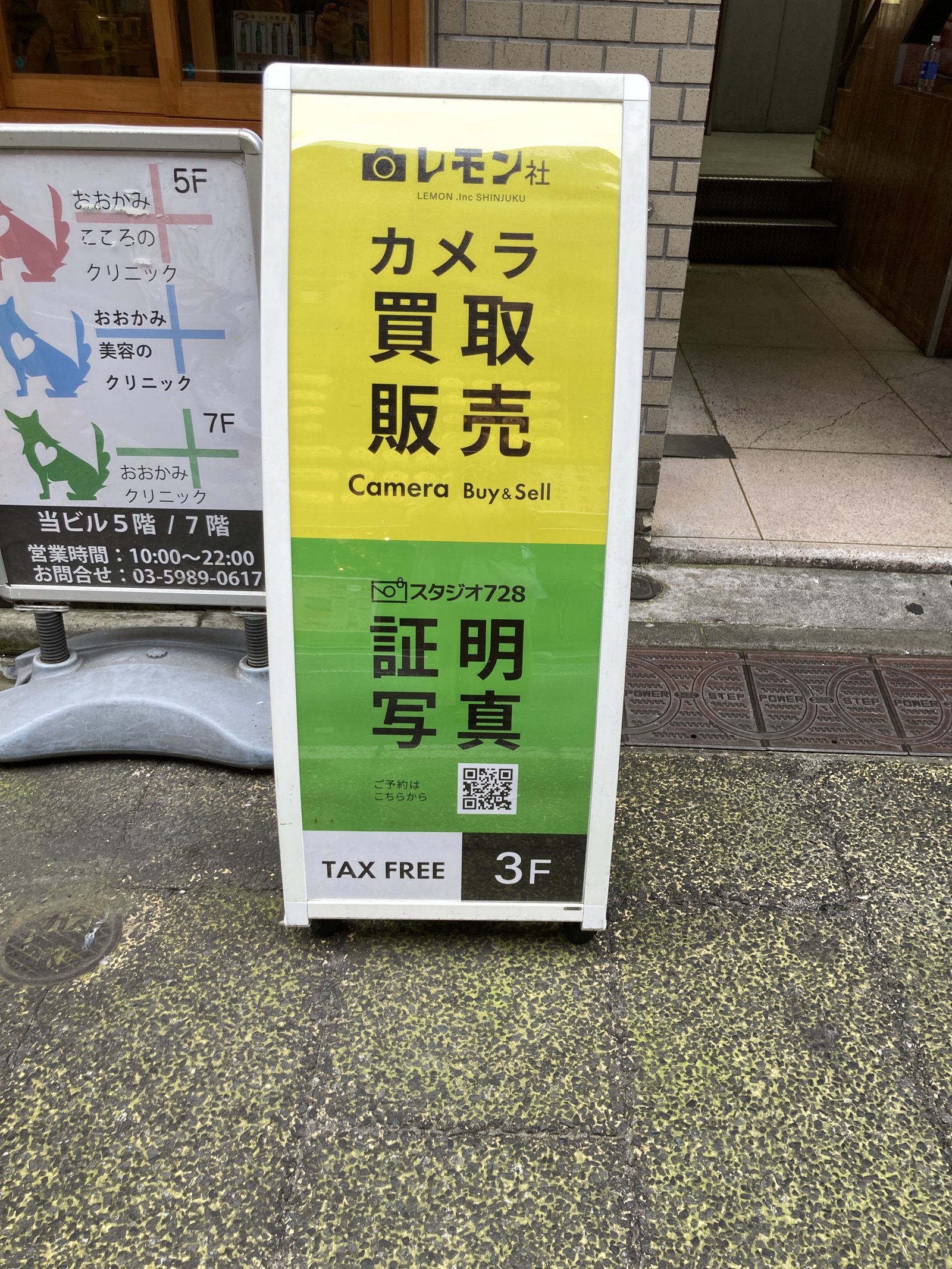
Lemon Company (レモン社) is also about 5 minutes from Shinjuku Station’s South Exit. I will be honest: the entrance takes a little courage. It is up a staircase, and from the street it does not look inviting. But the door was open, and inside it was clean and welcoming — almost like a small museum. There is even the company’s history displayed near the entrance, and a photo studio attached.
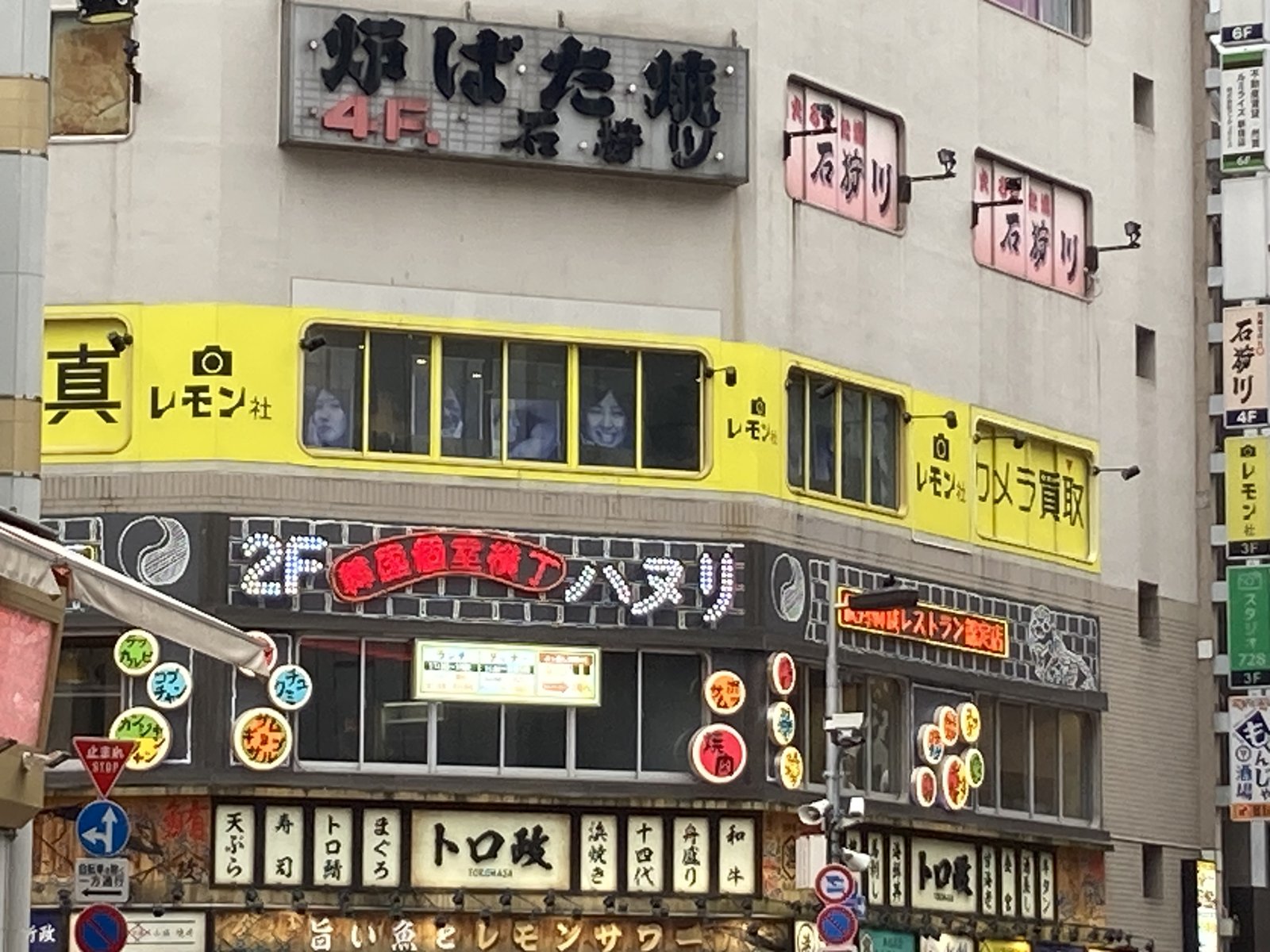
This was the easiest shop of the three for a visitor, in my opinion:
- English signs: yes. Tax-Free: yes. Credit cards: yes.
- Junk items are NOT locked in showcases — you can pick them up and check them yourself. On my visit they were around 500–2,000 yen. Condition varies a lot, though, so use that freedom and inspect each item carefully.
- About half the customers were foreign visitors. I even saw foreign customers starting conversations with each other. Nice atmosphere.
Good for: first-time visitors, junk hunters, and anyone who wants to touch gear without asking.
Keep in mind: the staircase entrance looks a bit scary — just walk up. It is fine inside. Price tags are in Japanese.
Practical tips
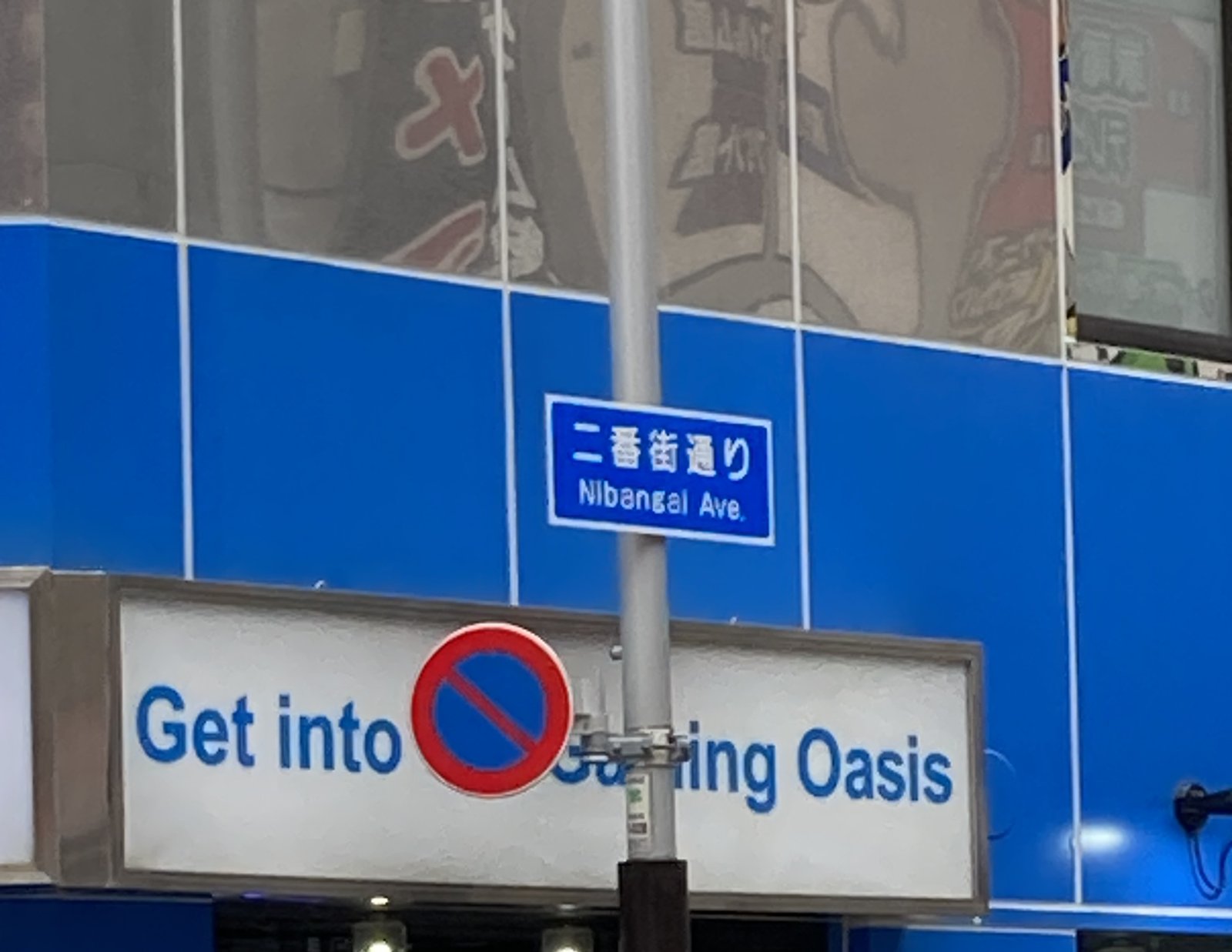
- Tax-Free: Map Camera and Lemon Company clearly show Tax-Free signs. At Fujiya I did not see a sign, but I saw a foreign customer showing a passport at the register, so they appear to handle it. Always carry your passport when shopping.
- Payment: Cards are widely accepted, but at Fujiya some card brands may not work. A little cash is a safe backup in Japan.
- Shop manners: In most Japanese used-camera shops, items are in glass cases. The rule is simple: ask a staff member, and they will happily take the item out for you. Pointing at the item works even without Japanese.
- Opening hours: They change seasonally and on holidays — check each shop’s official website before you go.
- Prices: I will not throw exact market numbers at you here — prices change, and I only note verified data in dedicated articles. But my general impression as someone in this business: Japanese used prices are fair for the condition you get. Condition is where Japan really shines.
- One honest thing: all three shops felt a little hard to enter at first — even for me, and I live here. But once you step inside, every one of them is fine. Don’t turn back at the door.
Wrapping up

Nakano and Shinjuku make a perfect half-day camera walk: Fujiya for the deep local experience, Map Camera for polished digital shopping, and Lemon Company for the friendliest hands-on browsing. All three are within 5 minutes of a station.
This was my first “camera shop walk” article, and there are many more areas in Tokyo — and beyond — that I want to explore. Where should I walk next? If you have a request, let me know. See you in the next one.
コメント